

Most people picture smog and traffic fumes when they think about air pollution, but the air inside your home can be just as much of a concern — and the sources are often things you would never suspect. Here are ten everyday culprits that quietly affect the quality of the air you breathe indoors.
Cooking on the Stove and in the Oven
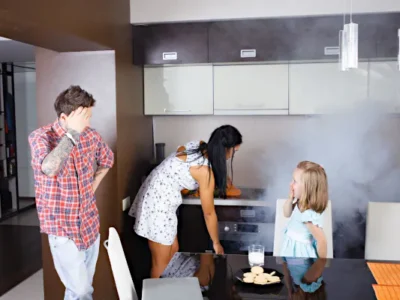
Cooking is one of the most enjoyable parts of home life, but it is also one of the more overlooked sources of indoor air concerns. When you cook at high heat, tiny particles get released from the food itself, from the oils you use, and even from the surface of the pan. That smoke rising from a hot skillet carries a mix of gases and fine particles that can linger in your kitchen and spread into other rooms if nothing pushes that air outside.
Gas stoves, in particular, produce combustion byproducts during normal operation, even when the burner is running perfectly. A range hood that vents to the outside makes a noticeable difference compared to one that only recirculates air through a filter. Even on lighter cooking days, keeping the kitchen ventilated as a routine habit is a simple practice that adds up over time.
Furniture, Flooring, and New Building Materials
That fresh smell when you buy a new couch, install new carpet, or assemble flat-pack furniture is not just the scent of something new. It comes from a process called off-gassing, where chemicals embedded in the materials slowly release into the surrounding air. Many products made from synthetic materials, pressed wood, adhesives, or certain foams can continue releasing these compounds for weeks or even months after you bring them home.
Older homes are not necessarily safer either, since materials used in construction decades ago sometimes contain substances that were not fully understood at the time. Keeping spaces well ventilated during and after a renovation or furniture purchase helps these compounds clear out more quickly. When shopping, looking for products labeled as low-emission is a straightforward way to reduce how much of this enters your home from the start.
Excess Moisture and Indoor Humidity
When humidity levels stay too high for too long, it creates the right conditions for mold and mildew to take hold. These grow in damp, poorly ventilated spaces and release spores into the air that anyone in the home ends up breathing. Bathrooms, basements, laundry areas, and spaces behind walls where a small plumbing leak goes unnoticed are all common problem spots.
Your HVAC system plays a direct role in managing humidity throughout your home. When it is working properly and well-maintained, it helps regulate moisture levels and keeps conditions comfortable. A system that has not been serviced recently may struggle with this, and clogged filters or drainage issues can actually make moisture problems worse rather than better.
Pairing routine maintenance with simple habits like running exhaust fans and periodically checking under sinks gives you a much better chance of catching moisture issues early. Staying ahead of small plumbing concerns is where having a reliable professional on call can prove genuinely useful.
Household Cleaning Products and Sprays
Cleaning the house feels like the right thing to do for a healthy home, and in many ways it is. But some of the products used to clean surfaces, disinfect counters, and freshen the air can themselves release chemicals into your indoor environment. Sprays, aerosols, scented cleaners, and air fresheners all introduce compounds into the air, some of which linger longer than you might expect, especially in spaces with limited airflow.
Switching to simpler or naturally derived products and making sure rooms are ventilated while you clean can reduce how much of this accumulates around you. Even spraying a product in a closed bathroom and shutting the door right after can concentrate those compounds in a small space for longer than most people realize. Leaving a window cracked or the exhaust fan running during and after cleaning makes a real difference.
Personal Care Products in Enclosed Spaces
Hairsprays, perfumes, nail products, and certain lotions release fine particles and vapors as they are applied. In a small, enclosed bathroom with the door closed and no exhaust fan running, these compounds can build up quickly. Most people do not think of a morning grooming routine as something that affects air quality, but the enclosed environment is really what tips the balance.
Running the bathroom exhaust fan during and after grooming is one of the simplest habits that keeps air moving and refreshed. When several products are used in the same space within a short time, the combined effect on the air in that room becomes more significant than any single product would suggest on its own.
Attached Garages and the Air They Share
For homes with an attached garage, there is an air connection between the garage and the rest of the house that most homeowners never think about. Cars, lawn equipment, paints, solvents, and stored chemicals all contribute to what lingers in that space. When a car is started inside, exhaust gases can remain in the garage for quite a while before they fully dissipate.
If the door between the garage and the living area is not well sealed, or if there is any air pressure difference between the two spaces, those pollutants can drift inside without anyone noticing. The effect tends to be gradual and subtle, which is part of why it gets overlooked so easily.
The way air moves through a home is influenced by pressure differences created by fans, exhaust systems, and HVAC service equipment. A qualified HVAC company can assess airflow patterns in your home and help determine whether the garage connection is something worth addressing as part of a broader look at your indoor environment.
Indoor Plants and the Soil They Sit In
Indoor plants bring warmth and life to a space, and they do offer genuine benefits. However, the soil in potted plants can be a source of mold spores and other microorganisms, particularly when it stays consistently damp or when pots sit in trays that collect standing water. This is not a reason to get rid of every plant, but it is worth being thoughtful about how many you have and how you care for them.
Allowing soil to dry out slightly between waterings and choosing well-draining pots reduces the moisture conditions that encourage mold growth at the root level. Grouping a large number of plants in one small room can also raise the humidity in that space noticeably, so spreading them out or keeping a nearby window cracked helps keep things balanced.
Candles, Incense, and Other Decorative Flames
Candles and incense are popular for the atmosphere and fragrance they create, but they are open flames that produce soot, smoke, and combustion byproducts just like any other flame indoors. Heavily scented candles tend to produce more soot than unscented ones, and incense can release a relatively high volume of particles into the air for its size. In a small, enclosed room, these can accumulate faster than you might expect, especially if the space does not have a window open or a fan running.
Burning them in well-ventilated spaces and not leaving them lit for extended periods are reasonable habits to adopt. Choosing candles with cotton wicks and unscented or lightly scented options can also reduce what gets released into the air during use.
Stored Chemicals and Hobby Supplies
Many homes have a utility closet, basement shelf, or garage corner where paints, solvents, adhesives, cleaning concentrates, and hobby supplies are kept. Even when these containers are closed and sealed, some products release low levels of vapors into the surrounding air over time. In an enclosed, poorly ventilated storage area, those vapors can build up and eventually make their way into living spaces through gaps, vents, or air movement.
Storing these products in a detached garage or outdoor shed when possible keeps them further from the living areas of your home. Making sure containers are tightly sealed and that storage areas have some form of ventilation are practical steps that reduce how much of this becomes a factor indoors.
Pet Dander, Bedding, and Litter Areas
Pets bring a lot of joy to a home, but they also contribute to what floats around in the indoor air. Pet dander, which consists of tiny flakes of skin, is one of the more common airborne particles in homes with animals. It is lightweight enough to stay suspended in the air for extended periods and can settle into furniture, carpet, and bedding where it gets disturbed and re-released over and over again.
Litter boxes, pet bedding, and the areas where animals spend the most time can also concentrate odors and particles in specific spots. Washing pet bedding regularly, vacuuming frequently with a quality filter, and keeping litter areas ventilated are all habits that help manage what pets add to the air. Staying consistent with these routines matters more than any single deep-clean session, and it makes the overall air environment noticeably more pleasant for everyone living in the home.
Conclusion
Indoor air quality is shaped by the everyday things that fill a home: the meals you cook, the products you use, the furniture you sit on, the pets you love, and even the plants on your windowsill. None of these sources is a reason to worry, but all of them are worth understanding so you can make small, informed choices that add up to a healthier indoor environment over time.
Good habits, proper ventilation, and a well-maintained home system go a long way toward keeping the air inside your home feeling as clean and comfortable as possible. The encouraging part is that most of what makes a real difference does not require big changes. It comes down to consistency, awareness, and knowing when to bring in a professional who can help you see what is harder to spot on your own. When you are ready to take a closer look at how your home’s systems are performing, the right team can help you see the full picture.
Reach out to our team today to learn how our heating, cooling, electrical, and plumbing services can help you take the next step toward a more comfortable and well-maintained home.
Frequently Asked Questions
Does opening windows always improve indoor air quality?
Opening windows is generally a helpful habit because it brings in fresh air and dilutes what has built up indoors. That said, during wildfire seasons or high-pollen days, outdoor air quality may actually be lower than what is inside, so it can make more sense to keep windows closed and rely on your ventilation system instead.
How often should HVAC filters be changed to support better air quality?
It depends on the type of filter, how often the system runs, and factors like pets that affect how quickly a filter loads up. Checking the filter regularly and replacing it when it looks visibly dirty is a practical approach. A service technician can give guidance specific to your system and home.
Can air purifiers make up for poor ventilation?
Air purifiers can be a helpful addition, especially in rooms where air tends to stagnate. They work best as a complement to good ventilation rather than a replacement for it. Addressing the source of air quality concerns and keeping air circulating properly through the home tends to produce better overall results.
Are there home service professionals who specifically help with indoor air quality?
Yes, professionals who work in heating, cooling, and ventilation are well-positioned to evaluate how air moves through your home and whether your equipment is up to the task. Plumbing and electrical professionals also play a role, particularly when moisture or ventilation issues are part of the picture.
Is improving indoor air quality an expensive undertaking?
It does not have to be. Many of the most effective steps are habit-based rather than equipment-based, such as ventilating while cooking, running exhaust fans, and storing chemicals properly. When equipment upgrades or professional assessments are needed, the investment tends to pay off in comfort and peace of mind over the long term.
 Generators vs. Battery Backup: Which Fits Your Home Best?