
Power outages can happen when you least expect them. Whether it is a summer storm, a winter freeze, or a utility failure somewhere down the line, losing power at home is more than just an inconvenience. It can disrupt your daily routine, put your food at risk, and in some cases, affect the comfort and safety of everyone under your roof. That is why more and more homeowners are looking into backup power solutions before the next outage hits, not after. Two of the most popular options available today are traditional generators and battery backup systems. Both are designed to keep your home running when the grid goes down, but they work in very different ways and are better suited for different situations. Understanding what each one offers and how they align with your home’s needs can help you make a well-informed decision that truly works for your household. This guide breaks down both options so you can approach the conversation with confidence.
How Generators Work for Your Home
Generators have been around for decades, and for good reason. They are known for their ability to produce a large amount of power, which makes them a reliable choice for homeowners who need to keep multiple appliances and systems running during an extended outage. From powering your refrigerator to keeping your sump pump active during a heavy rain event, generators can take on a wide range of household loads.
The Power That Generators Provide
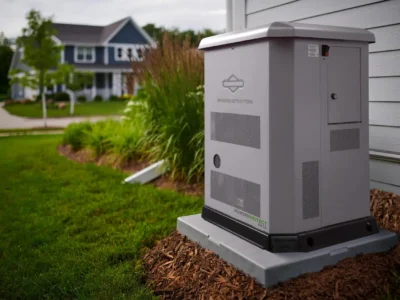
A generator works by burning fuel, typically gasoline, diesel, or propane, to produce electricity on demand. Portable generators are smaller and can be moved from place to place, while standby generators are permanently installed outside the home and are designed to kick in automatically the moment the power goes out. Standby models are directly connected to your home’s electrical system and can run on natural gas or propane, which means you do not have to worry about running out of fuel nearly as quickly as you would with a portable unit.
One of the most significant advantages of generators is their power output. They can handle high-demand appliances like central air conditioning units, electric water heaters, and sump pumps all at once, without requiring you to choose what to sacrifice. If your home depends on HVAC service to stay comfortable through the summer heat or winter cold, a standby generator is worth considering because it can keep your entire heating and cooling system running without any gaps in service.
Generators also offer flexibility when it comes to fuel. Homeowners in areas where natural gas is readily available often find standby generators to be a particularly convenient option, because the fuel supply is connected directly to the home and does not run dry the way a tank of gasoline would. For households that simply want dependable, high-capacity backup power that can run for an extended period, generators have a well-earned reputation for delivering just that.
The Considerations That Come With Generators
Generators do require some ongoing attention to keep them performing at their best. Because they run on combustion, they produce exhaust, which means they must always be used outdoors or in a space with proper ventilation. They produce noise when running, which is something to factor in depending on your neighborhood and the layout of your property.
They also need fuel to run, and during widespread outages, sourcing that fuel can sometimes be a challenge. Regular upkeep is part of the picture as well. Scheduling routine generator maintenance helps ensure that the unit will start reliably when you need it and that it continues to operate efficiently over time. Think of it like maintaining a vehicle. A little consistent attention goes a long way toward making sure it is ready when the moment comes.
Installation of a standby generator is not a do-it-yourself project. It involves electrical work and often gas line connections, both of which require proper licensing that varies from state to state. Working with experienced, licensed professionals from the start ensures that everything is installed safely and in full compliance with local codes.
How Battery Backup Systems Work for Your Home
Battery backup systems, sometimes called home energy storage systems, represent a newer approach to keeping your home powered during an outage. Rather than burning fuel, they store electricity ahead of time and release it when the grid goes down. Many homeowners pair them with solar panels to keep the battery charged using the sun’s energy, though that pairing is entirely optional.
The Convenience That Battery Systems Offer
Battery backup systems are quiet, produce no emissions, and can be installed indoors in a garage, utility room, or basement. They operate automatically, meaning that when the power goes out, the switch to backup power can happen almost seamlessly, with little to no interruption. This is especially helpful for households with medical equipment that cannot experience even a brief lapse in power, as well as for families with young children or elderly members who may be more sensitive to sudden disruptions.
Modern battery systems are also increasingly intelligent. Many come equipped with companion apps or monitoring dashboards that allow you to see in real time how much energy is stored and how much is currently being used. Some systems can even be programmed to charge during off-peak hours when electricity rates tend to be lower, which can help reduce your overall energy bills over time.
Because battery systems run on stored electricity rather than combustion, they require far less hands-on maintenance and have fewer mechanical parts that can wear out. For homeowners who want a clean, quiet solution that mostly takes care of itself, battery backup is a compelling option. In some cases, for situations where immediate and sustained coverage is a priority, having an emergency generator backup as part of a broader power plan may be worth discussing with a professional, particularly for larger homes or households with significant energy needs.
The Boundaries That Battery Systems Have
Battery backup systems do have limits in terms of how much they can power and for how long. A single battery unit may be well-suited to keep essential appliances running, such as your lights, refrigerator, and a few outlets, but powering an entire home with multiple high-draw appliances running simultaneously can demand more capacity than a single unit provides. Expanding the system with additional battery units is possible, and many manufacturers design their products with this kind of scalability in mind.
The upfront investment for a quality battery system can also be higher than a comparable generator setup. That said, prices have become more competitive in recent years as the technology has matured and more manufacturers have entered the market. Installation does involve electrical work that requires proper permits and licensed professionals, and those requirements vary depending on where you live.
How the Two Options Compare Side by Side
When you look at generators and battery backup systems together, it becomes clear that they are not really competing for the same customer. They each have a distinct set of strengths that make them a natural fit for different households and different situations.
Generators tend to be the preferred solution for homes with high energy demands, for properties in rural or semi-rural areas where outages can stretch on for several days, and for households that want a proven, well-understood technology with a long track record. As long as there is fuel available, a generator can keep running, which is a meaningful advantage when an outage has no clear end in sight.
Battery backup systems, on the other hand, tend to be an excellent fit for urban and suburban homes where outages are typically shorter in duration, for households that are already exploring or using solar energy, and for homeowners who want a low-maintenance solution that works quietly in the background without requiring intervention. The clean, emission-free operation is also an appeal for those who want to make more environmentally conscious choices about their home’s energy use.
Some homeowners find that the ideal answer is actually a combination of both. A battery system covers short outages and provides seamless, instant power coverage, while a generator stands by for longer events that require sustained output over multiple days. This layered approach gives households the benefit of both technologies and creates a more complete power resilience plan.
What to Think About Before You Decide
Before choosing a backup power solution, it is worth spending some time thinking through your household’s specific situation. Start by identifying which appliances and systems are the most important for your family to keep running during an outage. Then consider how long outages typically last in your area and how often they occur. Think about the size of your home, your usual energy usage, and whether you currently have or are planning to install solar panels.
Practical details matter as well. Where would the equipment be installed on your property? How much outdoor or indoor space is available? What are the local permitting requirements in your state, and what kind of licensed professionals do you need to work with? These questions are important because electrical and plumbing work is regulated differently from state to state, and getting the right professionals involved from the beginning makes a meaningful difference in the safety and quality of the installation.
Taking the time to answer these questions before making a decision helps you avoid choosing a solution that is not quite the right fit, and it gives you the peace of mind of knowing that your home is prepared for whatever comes next. It is also worth remembering that your choice today does not have to be your only choice forever. As your household’s needs evolve, your backup power setup can evolve along with it, and the best providers will work with you to plan ahead for that kind of growth.
When you are ready to explore your home’s backup power options, reach out to our team, and we will help you find the right solution for your needs.
Frequently Asked Questions
Can I use a battery backup system if I do not have solar panels?
Yes, you can. Battery backup systems are designed to charge directly from the electrical grid, so solar panels are not required. Solar simply provides an additional and often more cost-effective way to keep the battery charged, which can be especially useful during extended outages when grid power is not available.
How do I know what size generator or battery system my home needs?
The right size depends on which appliances and systems you need to keep running and how much power they draw. A licensed professional can walk through your home’s energy profile with you and recommend a system that is properly sized for your needs, without being too small to be useful or unnecessarily oversized.
Are there any safety concerns with running a generator near my home?
Generators produce carbon monoxide, which is a colorless and odorless gas that can be harmful in enclosed spaces. Generators must always be operated outdoors and kept well away from windows, doors, and vents. Having the unit professionally installed and following all manufacturer safety guidelines are the most important steps you can take to keep your household safe.
How long can a battery backup system keep my home running?
Runtime depends on the size of your battery system and how much energy your home is actively using. A system dedicated to running only essential appliances will last considerably longer than one powering a full household at normal usage levels. Many systems are also designed to be expandable, so you can add capacity over time as your needs grow.
Do I need permits to install a generator or battery backup system?
In most areas, yes. Both types of systems involve electrical work, and standby generators often require gas line connections as well, all of which need permits and must be carried out by licensed professionals. Because licensing requirements differ by state, working with a local provider who understands your area’s specific regulations is the best way to make sure everything is done right.
 The True Cost of Ignoring Plumbing Issues