

When you think about pollution, your mind probably drifts to images of smoggy city streets or industrial smokestacks. But the air inside your home might surprise you. Indoor spaces can harbor their own unique collection of airborne particles, from everyday dust to cooking odors to the microscopic visitors that drift in from outside. Understanding how air purification systems work to address these concerns can help you make informed decisions about the comfort and atmosphere of your living spaces.
Air purification isn’t about creating a sterile bubble or eliminating every single particle from existence. Rather, it’s about supporting the natural ventilation your home already has and giving the air an extra level of filtering. Think of it as similar to how you might use a water filter for your drinking supply—you’re adding a layer of refinement to something you use constantly throughout the day.
Understanding What’s Floating Around You
The air in any indoor space contains a mixture of particles that come from various sources. Some drift in through windows and doors, while others originate right inside your home. Cooking releases tiny droplets of oil and moisture into the air. Fabrics from furniture, carpets, and clothing shed microscopic fibers. Pets contribute their own signature blend of dander and fur. Even the simple act of walking across a floor can send settled particles back into circulation.
These airborne elements aren’t necessarily harmful in small amounts, but their concentration can build up over time, especially in spaces with limited air exchange. Homes today are often built or renovated to be more energy-efficient, which means they’re also better sealed against outdoor air. While this helps with heating and cooling efficiency, it can also mean that indoor air recirculates more than it might have in older, draftier buildings.
Modern living also introduces new elements into our indoor environments. Electronics, cleaning products, furniture materials, and personal care items all release various compounds into the air around us. Some of these dissipate quickly, while others linger. The combination creates a unique indoor atmosphere that differs from one home to another based on activities, furnishings, and ventilation patterns.
How Air Purification Systems Function
Air purification systems work by drawing air through various filtering materials that capture particles of different sizes. The basic principle resembles a very sophisticated sieve—air passes through, but many of the suspended particles get caught along the way. Different types of filters excel at capturing different sizes and types of particles, which is why many systems use multiple filtering stages.
Some systems rely on dense filter materials that create a maze-like pathway for air to navigate. As air twists through these fibers, particles bump into the filter material and stick there through various physical forces. Larger particles get trapped easily, while smaller ones might take a more meandering path through the filter before finally making contact with a fiber and adhering to it.
Other approaches use different principles entirely. Some systems employ charged plates or surfaces that attract particles the way a statically charged balloon attracts hair. Others use exposure to specific wavelengths of light to address certain airborne elements. Many residential systems combine multiple approaches to address a broader range of particle sizes and types.
Working with an experienced HVAC contractor can help you identify which type of system makes sense for your particular situation. They can assess your existing ventilation setup, consider the size and layout of your spaces, and recommend options that integrate well with your home’s current infrastructure.
Integrating Purification With Your Existing Setup
Air purification systems come in various forms, from standalone units that you can place in individual rooms to whole-home systems that integrate directly with your existing ventilation infrastructure. Portable units offer flexibility and can be moved from room to room as needed. They work independently of your heating and cooling system, drawing in air from their immediate surroundings and releasing filtered air back into the same space.
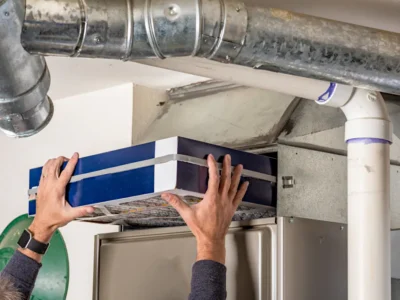
Whole-home systems take a different approach by becoming part of your home’s central air circulation. These systems filter air as it moves through your ductwork, which means every room connected to your central system benefits from the purification process. This integration provides consistent air processing throughout your home without requiring multiple separate units.
The choice between these approaches depends partly on your goals and partly on your home’s existing setup. If you have central heating and cooling with ductwork already in place, adding whole-home purification might involve installing enhanced filters or specialized equipment within that system. If your home uses other heating and cooling methods or if you want to focus on specific areas, portable units might offer more practical flexibility.
Regular HVAC service can help ensure that whichever approach you choose continues working effectively over time. Filters need periodic replacement, and whole-home systems benefit from professional inspection to verify they’re operating as intended and integrating properly with your heating and cooling equipment.
Maintaining Consistent Performance
Like any system in your home, air purifiers need regular attention to maintain their effectiveness. The most common maintenance task involves replacing or cleaning filters according to the manufacturer’s guidelines. As filters capture particles, they gradually fill up, which can reduce airflow and make the system work harder to move air through the filtering material.
Think of filter replacement as similar to changing the oil in your car—it’s a straightforward task that keeps everything running smoothly. How often filters need changing varies based on factors like how much you run the system, how many people and pets live in your home, and what kinds of particles are present in your environment. Some homes might need filter changes every few months, while others can go longer between replacements.
Beyond filter changes, air purification systems generally require minimal maintenance. Keeping the exterior clean, ensuring vents and intakes aren’t blocked, and verifying that the unit is running properly are usually sufficient for standalone systems. Whole-home systems benefit from inclusion in your regular HVAC system maintenance schedule, where professionals can check that everything is working harmoniously together.
Some newer systems include indicators that alert you when filters need attention, taking the guesswork out of maintenance scheduling. These features can be particularly helpful for busy households where it’s easy to lose track of maintenance tasks among all of life’s other demands.
Considering Your Household’s Unique Needs
Every home has its own character when it comes to indoor air. A household with multiple pets might prioritize systems that excel at capturing fur and dander. Homes where cooking happens frequently might benefit from systems particularly effective with odor management. Families with young children might want systems that operate quietly enough not to disturb naps or bedtime routines.
Geographic location plays a role, too. Homes in areas with seasonal pollen surges might notice more benefit during certain times of the year. Properties near busy roads might contend with more outdoor particles finding their way inside. Coastal homes deal with salt air, while those in arid regions face dust challenges. These regional factors can influence which features and capabilities matter most for your situation.
The size and layout of your living space matter as well. Open floor plans allow air to circulate more freely between rooms, which can influence how many purification units you might want and where to place them. Homes with many separate rooms might need a different strategy than loft-style spaces or ranch layouts with long sight lines.
Budget considerations naturally factor into decision-making, too. Air purification systems span a wide price range, from modest portable units to sophisticated whole-home installations. Understanding what features matter most for your particular circumstances can help focus your search on options that provide meaningful benefits rather than getting distracted by capabilities you might not need.
Realistic Expectations and Long-Term Benefits
Air purification systems can meaningfully contribute to a more pleasant indoor environment, but they work best as part of a broader approach to indoor air management. Opening windows when the weather permits, using exhaust fans during cooking, addressing moisture issues promptly, and keeping your home reasonably clean all support better indoor air, alongside any purification technology you might use.
These systems are tools that complement good practices rather than substitutes that eliminate the need for other efforts. A purifier running in a room where someone is actively smoking, for example, can help, but won’t completely eliminate all smoke particles instantly. Similarly, a purification system can reduce cooking odors, but it works best when you also use your kitchen’s exhaust fan.
Over time, many people report that their indoor spaces feel fresher and that lingering odors diminish with consistent use of air purification systems. These subtle improvements in everyday comfort can enhance how you experience your home. The changes are often gradual rather than dramatic—you might not notice a single transformative moment but rather a general sense that your indoor air feels cleaner over weeks and months of use.
It’s also worth noting that air purification technology continues to evolve. Systems available today often incorporate features and improvements that weren’t available in earlier generations. This ongoing development means that if you tried air purification years ago and weren’t impressed, current options might offer better performance and more refined operation.
Making Informed Choices for Your Home
Selecting an air purification approach involves balancing various factors specific to your situation. Start by considering which rooms you spend the most time in and whether whole-home or targeted room-by-room approaches make more sense for your lifestyle and budget. Think about the aspects of your indoor air that you’d most like to address—whether that’s reducing odors, managing pet dander, or simply creating a fresher overall atmosphere.
Research different types of purification technologies to understand how they work and what they’re designed to accomplish. Not every system excels at every task, and understanding these differences can help you match capabilities to your priorities. Reading about other people’s experiences with different systems can provide a helpful perspective, though remember that every home is unique and results can vary based on many factors.
When evaluating specific products or systems, look at practical considerations like noise levels, energy consumption, and maintenance requirements alongside performance characteristics. A highly effective system that’s too loud for comfortable conversation or sleep might not be practical for daily use in living areas or bedrooms. Similarly, a system with complex or expensive maintenance requirements might become burdensome over time.
Professional guidance can be invaluable during this decision-making process. Experts who work with air quality systems regularly can offer insights based on their experience with different technologies and configurations. They can help you avoid common pitfalls and identify solutions that align well with your specific circumstances.
As you explore air purification possibilities, remember that these systems work best when properly selected, correctly installed, and conscientiously maintained. Taking time to get these elements right pays dividends in performance and satisfaction over the months and years ahead.
If you’re ready to explore how air purification systems might enhance your indoor environment, our team is here to help you navigate the options and find solutions tailored to your home’s specific needs—reach out today to start the conversation about creating cleaner, fresher air in your living spaces.
Frequently Asked Questions
Can air purification systems help with seasonal concerns that affect indoor comfort?
Many homeowners notice that certain times of year bring different challenges to their indoor spaces. Air purification systems can provide support during these seasonal variations by continuously processing the air in your home. The effectiveness depends on the type of system you choose and how well it matches the specific seasonal concerns you experience in your region.
How long does it typically take to notice a difference after installing an air purification system?
The timeframe varies considerably depending on your starting conditions, the type and size of system you install, and what specific improvements you’re hoping to notice. Some people report sensing fresher air within days, while others find that the benefits become more apparent gradually over several weeks as the system continuously processes air throughout your home.
Do air purification systems require any special electrical considerations for installation?
Portable units typically plug into standard electrical outlets without any special requirements. Whole-home systems integrated with your central ventilation might have different electrical needs depending on the specific equipment. Professional installers can assess your home’s electrical capacity and ensure any necessary connections are made safely and in compliance with local codes.
What happens if I forget to change filters for longer than recommended?
Extended use beyond recommended filter replacement intervals generally results in reduced airflow and decreased effectiveness rather than damage to the system itself. The purifier will continue running, but won’t process air as efficiently. Once you install a fresh filter, performance typically returns to normal, though it’s best to follow maintenance schedules to maintain consistent air processing throughout your home.
 How to Spot Slab Leaks Before They Wreck Your Foundation